Why is less carbon used at night?
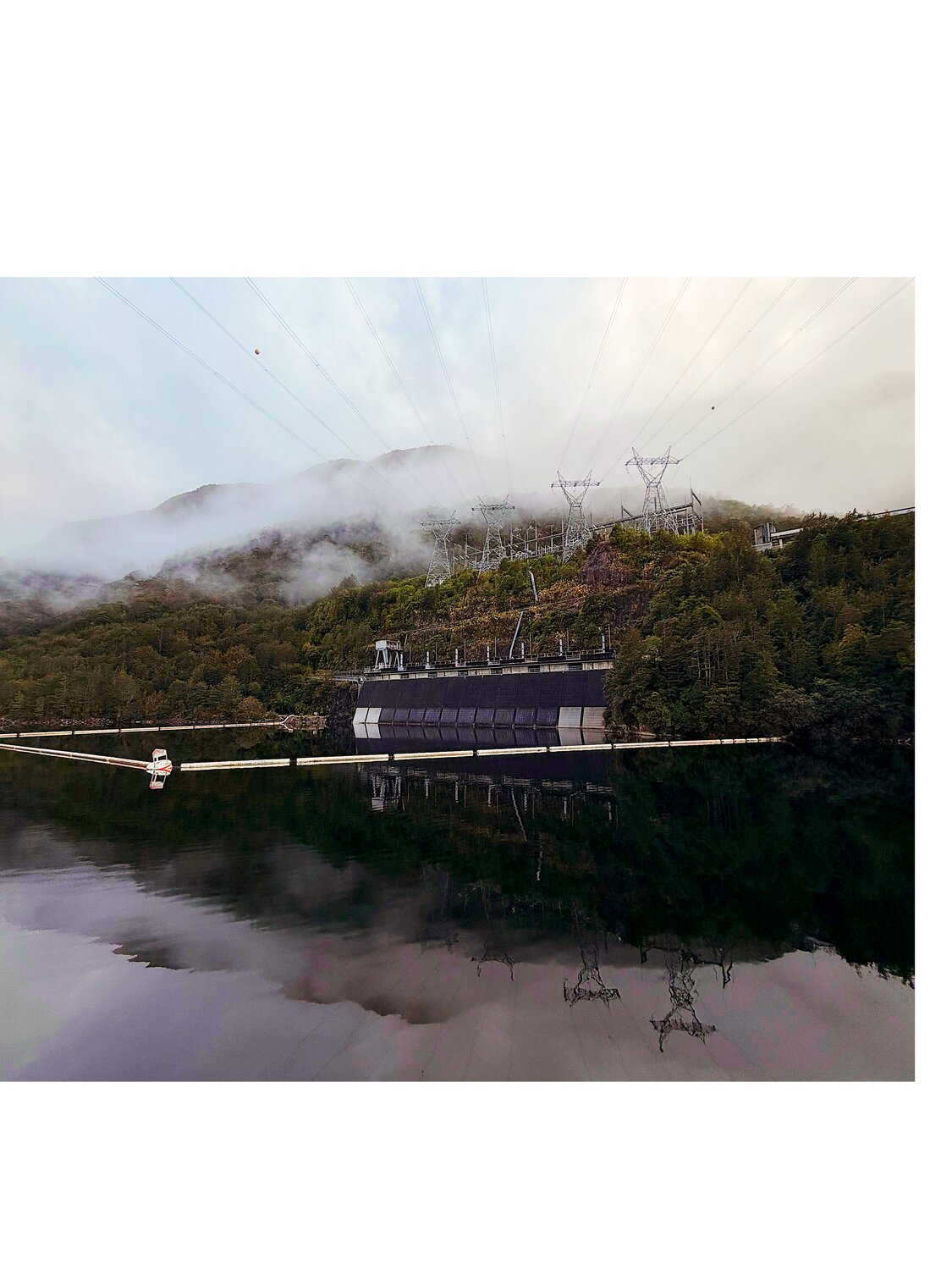
New Zealand’s hydroelectricity generators provide the ‘base load’ power we need most of the time. We’re ahead of many countries in this respect because it means renewables are our primary source of electricity, which is great. But when energy demand spikes during the morning rush and early hours of the evening, we usually require additional supply from coal and gas generators to meet this demand. Given the low demand overnight, we can be more confident the energy being used has come from hydro power or other green sources.
The following graph shows how the amount of carbon electricity generation in the grid peaks during the early evening but reduces dramatically overnight.
We have estimated the level of carbon emissions for a given period by multiplying the electricity generated by plant in that period by an assumed emissions intensity factor (CO₂/kwh). Emissions intensity factor varies by generation plant type, and we have used a range of sources to form our assumptions, sources provided at the foot of this page. The example shows average outcomes for each hour across the entire month of August 2021. A specific day may see higher or lower emissions intensity at different times, but the overall trend remains consistent.
This is an example of how the emissions profile of New Zealand could look and is not an exact science. The truth is that, while it is generally accepted that less carbon is used for overnight electricity generation, official sources to confirm this are hard to quantify.
Isn’t carbon offsetting just as good?
Our view is that carbon offsetting your energy usage is better than nothing. But if you’re like us and really passionate about the green transition, then meaningful change is the best way to get there. Sure, knowing that someone is going to plant some trees for you somewhere in the world is nice, but it’s not reducing our reliance on coal and gas today. Changing the way you use energy does have an impact today. And that’s what our MoveMaster plan is about.
Sources to support estimated carbon emissions example
IPCC
Renewable Energy Sources and Climate Change Mitigation (Special Report of the Intergovernmental Panel on Climate Change)
Huntly/Coal
Environmental Costs of Electricity Generation (Waikato Regional Council)
Security of Supply in the New Zealand Electricity Market (The University of Auckland)
Emission Factors – CO2 Combustion (MBIE)
Stationary Combustion (2006 IPCC Guidelines for National Greenhouse Gas Inventories)